
The range of subjects covered by Berlin’s research landscape is exceptionally broad. Brain City Berlin offers expertise on almost every research-related topic.
World-class researchers work at more than 70 non-university institutions.
Researchers and companies alike benefit from the many partnerships between different institutions. Close cooperation with industry produces forward-looking solutions, approaches and innovations.
Researchers from all over the world shape the unique academic, cultural and economic climate of the capital. They all value the close cooperation between different institutions and disciplines.
The recognition of the Berlin University Alliance under the Excellence Strategy of the German federal and state governments reflects the high standard of Berlin’s leading research. At the same time, the title “University of Excellence” awarded to the alliance underlines the potential of Berlin’s collaborative approach.

“Berlin has one of the densest science and research landscapes, with great diversity and breadth. Within a small area, we bring together excellent universities, non-university research institutions, technology parks, start-ups and innovative companies, cultural institutions and political decision-makers. It is precisely this density and connectedness that makes Berlin attractive internationally.”
Dr Ina Czyborra, Senator for Higher Education and Research, Health and Long-Term Care
Germany’s hub for digitalization
Digitalization is researched and driven forward in the capital. The following institutions are key nodes in the digitalization strategy:

The Berlin Institute for the Foundations of Learning and Data (BIFOLD)
BIFOLD is a beacon of leading research that brings together the capital’s AI expertise. It was created in early 2020 through the merger of the Berlin Big Data Center (BBDC) and the Berlin Center for Machine Learning (BZML).
Einstein Center Digital Future (ECDF)
An inter-university and interdisciplinary alliance that promotes and researches the digitalization of society. The ECDF is a public-private partnership (PPP) of more than 30 companies and organizations, all four Berlin universities, Charité – Universitätsmedizin Berlin and more than ten Berlin research institutes. The ECDF began its work in 2017 and entered its second funding phase in 2023.
Its three thematic areas are Societal Transformation, Connected Health and Sustainable Cities.
Weizenbaum Institute
The German Internet Institute is a joint project from Berlin and Brandenburg funded by the Federal Ministry of Education and Research (BMBF). The consortium comprises all four Berlin universities (including the Berlin University of the Arts), the University of Potsdam, the Fraunhofer Institute for Open Communication Systems FOKUS and the WZB Berlin Social Science Center.
Fraunhofer High-Performance Center “Digital Networking”
Together with the four Berlin Fraunhofer institutes FOKUS, HHI, IPK and IZM, the center researches topics such as the city of the future and the digitalization of industry and production. Its work focuses on technologies and solutions that respond to the increasing digitalization and networking of all areas of life.
Medical research
in Berlin
A dynamic health location
Internationally renowned universities, universities of applied sciences and non-university research institutions, first-class hospitals, innovative start-ups: Brain City Berlin is one of the most important locations for the health economy in Germany.
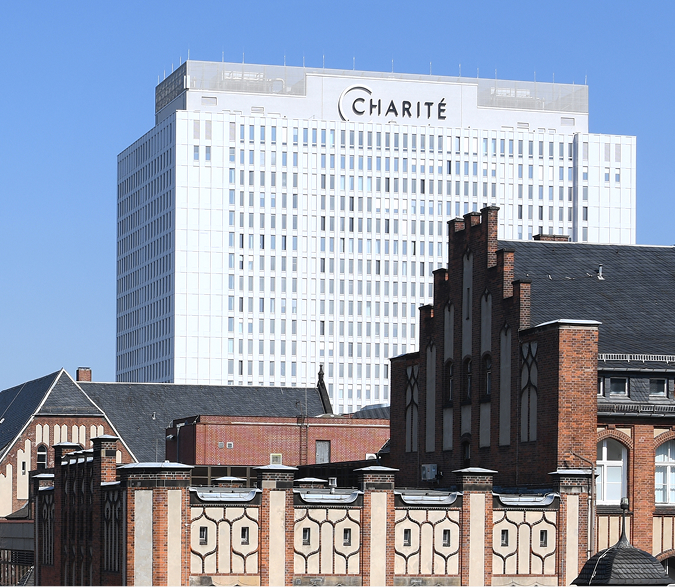 © Charité | Wiebke Peitz
Charité – Universitätsmedizin Berlin
More than 24,332 employees, including 5,741 researchers and physicians and 341 professors. 10,182 students are enrolled at Charité. With 3,200 beds, Charité is one of the largest university hospitals in Europe and the center of medical research in Berlin. (As of December 2024)
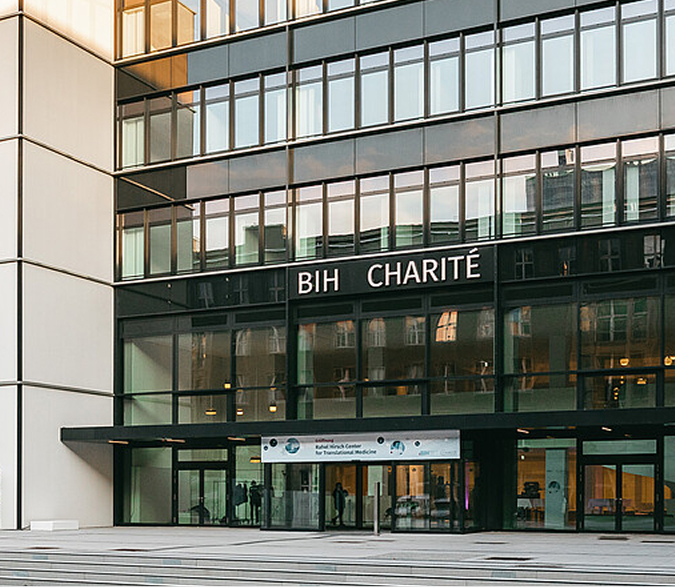
Berlin Institute of Health at Charité (BIH)
The Berlin Institute of Health is part of Charité – Universitätsmedizin Berlin. Its research areas are translation and precision medicine.
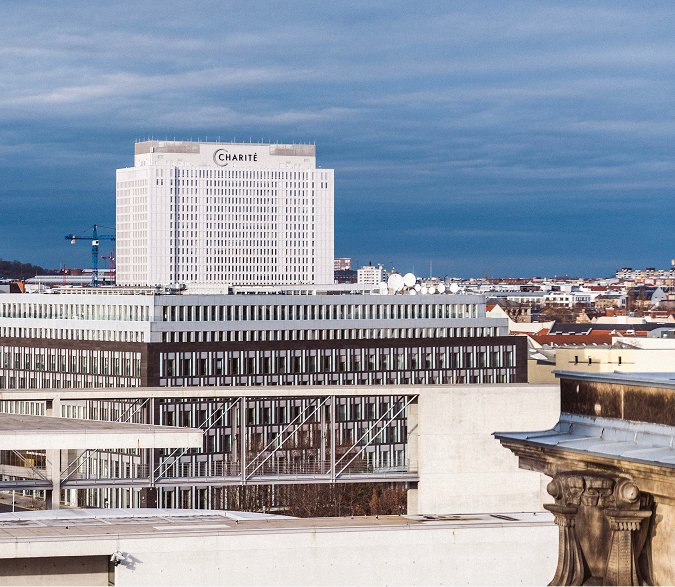
Deutsches Herzzentrum der Charité (DHZC)
The specialist hospital for cardiovascular diseases is considered one of the leading and largest heart centers in Europe. The DHZC was created in 2023 through the merger of the cardiac facilities of the Deutsches Herzzentrum Berlin and Charité – Universitätsmedizin Berlin. It is located on Charité’s three clinical campuses: Campus Virchow-Klinikum, Campus Charité Mitte and Campus Benjamin Franklin.
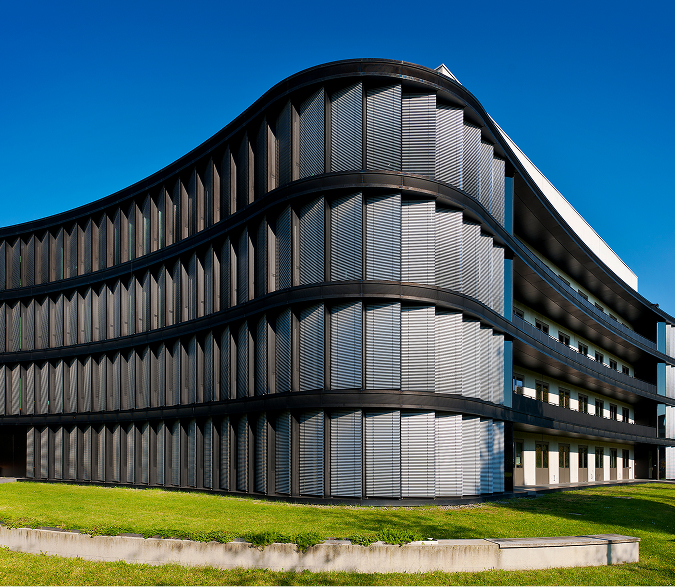 © FritschFoto
Berlin-Buch
As one of Berlin’s eleven Zukunftsorte (Future Places), Berlin-Buch specialises in the life sciences. Around 6,500 people work in the health economy here. At the heart of this science, medical and technology location in north-east Berlin is the 32-hectare Campus Berlin-Buch. It is home to excellent research institutes in molecular medicine, pharmacology and clinical research (including the MDC) and one of the largest biotech parks in Germany.
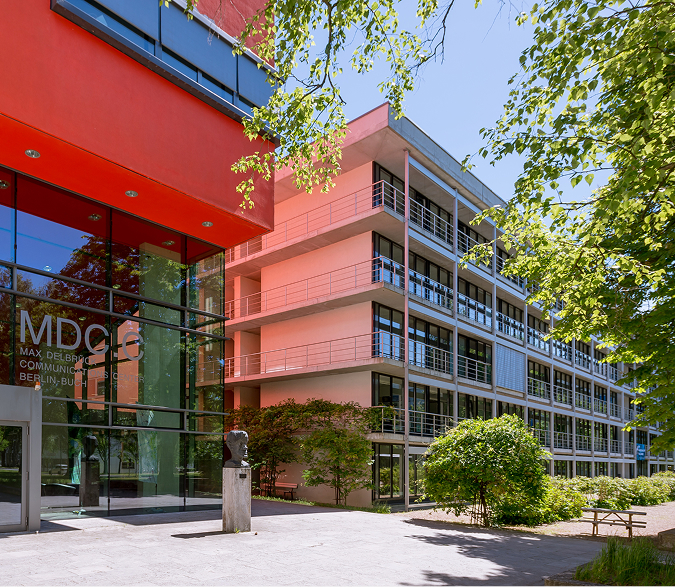 © Max Delbrück Center | Svea Pietschmann
Max Delbrück Center for Molecular Medicine (MDC)
The MDC is a biomedical research center. As a member of the Helmholtz Association, the MDC, founded in 1992, works to advance medicine in areas such as cancer research. It is named after the Nobel laureate Max Delbrück, one of the founders of modern interdisciplinary genetics and molecular biology.
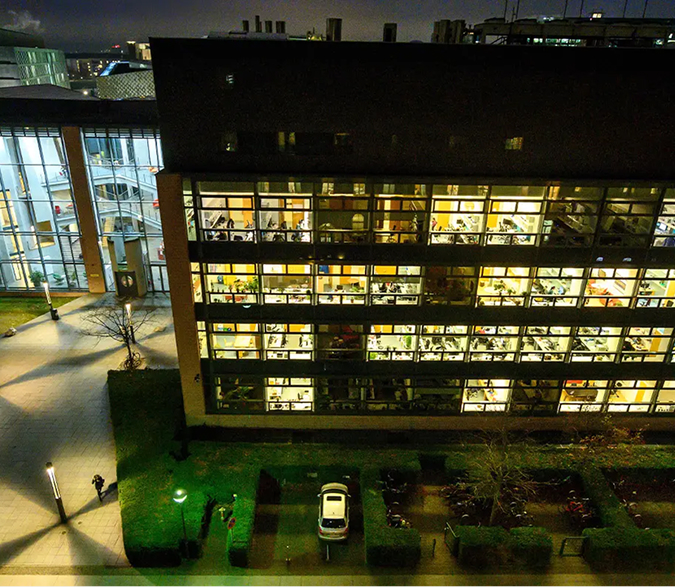
Max Planck Unit for the Science of Pathogens (MPUSP)
Founded in 2018 by Nobel laureate Emmanuelle Charpentier, the MPUSP is an independent institute of the Max Planck Society. Its aim is to strengthen basic research on pathogenic bacteria and viruses that cause disease in humans. The MPUSP is located on the Campus Charité Mitte.
“Berlin has everything it needs to become a major driver of biomedical innovation in Germany and Europe. The city has an enormous density of biomedical research institutes, Charité as Europe’s largest academic medical center, four universities and a diverse start-up scene.”
Prof. Dr Maike Sander, Max Delbrück Center for Molecular Medicine
Berlin – an international leader in the health economy
HealthCapital: The health economy cluster supports the promotion of Berlin as one of the leading locations in healthcare and the life sciences. The German capital region of Berlin-Brandenburg holds a leading international position in the health economy, healthcare and the life sciences.
Global market leaders, renowned researchers, first-class hospitals, innovative start-ups and specialists from all over the world work together here every day to achieve outstanding results for the regional and global health market.
Big data, digital health and telemedicine are research priorities of the innovative pharmaceutical, medtech and biotech companies.
Closely networked with the city’s many medical institutions, they make Berlin an attractive health location.
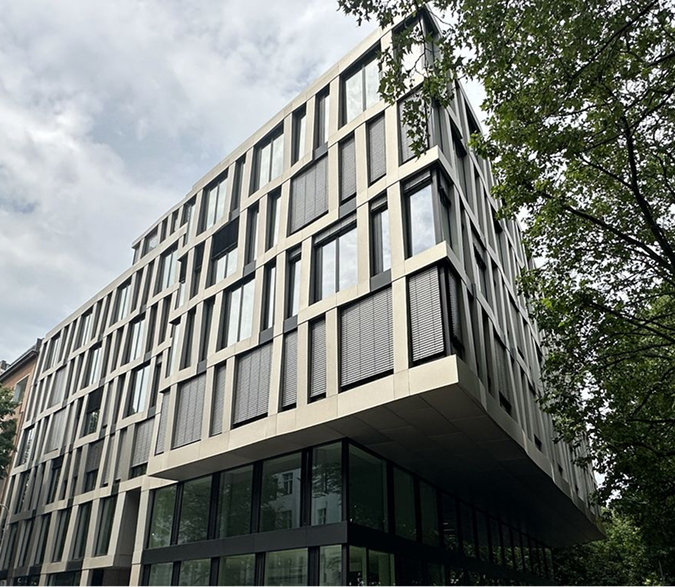
Leibniz-Centre General Linguistics (ZAS)
The ZAS is unique in Germany. The research institution is dedicated to the structure, acquisition and processing of human language.

Leibniz Center for Literary and Cultural Research (ZfL)
Literature in interdisciplinary and intercultural discourse: the independent institute researches the history of theory, world literature and knowledge of life.
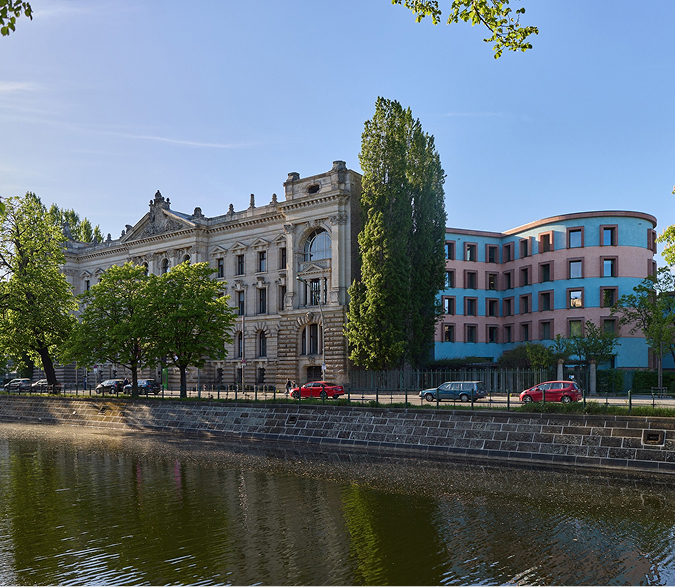 © WZBBernhard Ludewig
WZB Berlin Social Science Center
The institute conducts basic research on the opportunities for innovation in modern societies from an international comparative perspective.
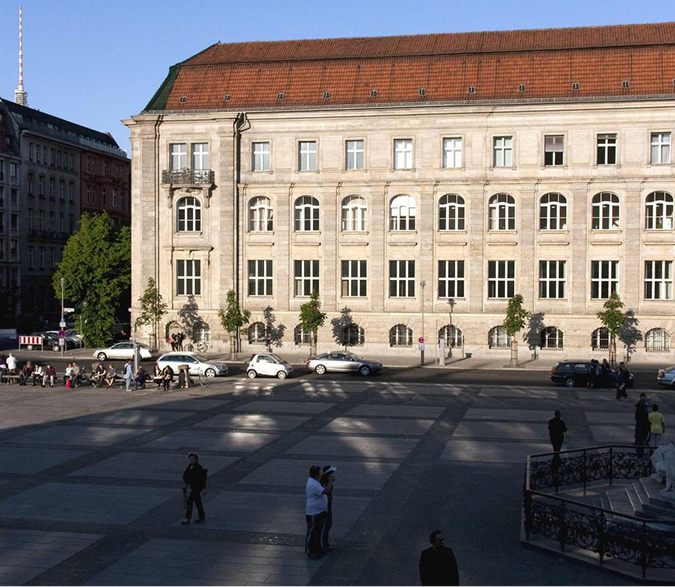
Berlin-Brandenburg Academy of Sciences and Humanities (BBAW)
The BBAW is an association of outstanding researchers across disciplines and state borders, with a tradition spanning more than 300 years. Eighty Nobel laureates have shaped its history.
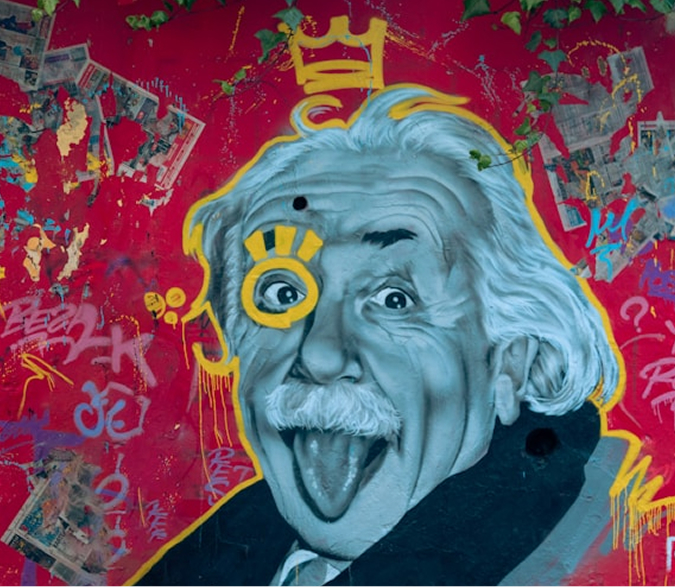
Einstein Center for Mathematics Berlin
The center opened in 2014 as a joint project of three mathematical research centres: the DFG Research Center Matheon, the Berlin Mathematical School and the German Centre for Mathematics Teacher Education pool their activities here.
MATH+
In the DFG-funded Cluster of Excellence “Berlin Mathematics Research Center MATH+”, researchers explore new approaches in applied mathematics across institutions and disciplines. The focus is on the mathematical foundations for using ever larger volumes of data in the life and materials sciences, energy and network research, and the humanities and social sciences.
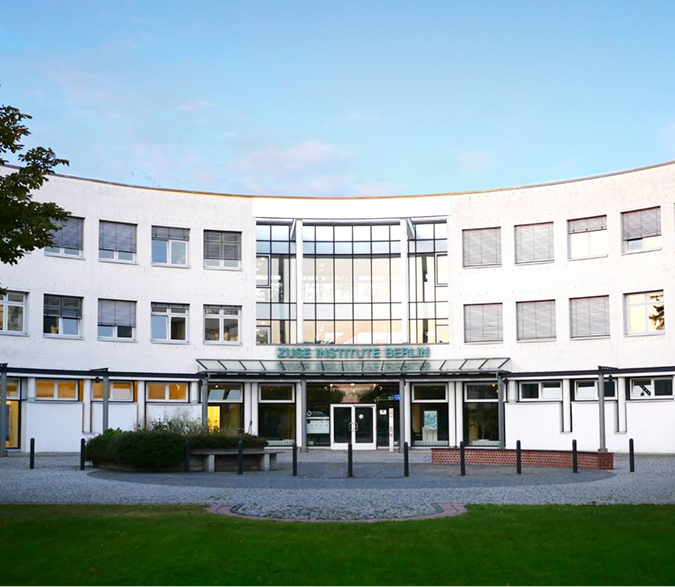 © Zuse Institut Berlin | Beauty
Zuse Institute Berlin (ZIB)
The ZIB is an interdisciplinary research institute for applied mathematics and data-intensive high-performance computing. Its main topics are modelling, simulation and optimisation. The ZIB works closely with partners from research and industry.
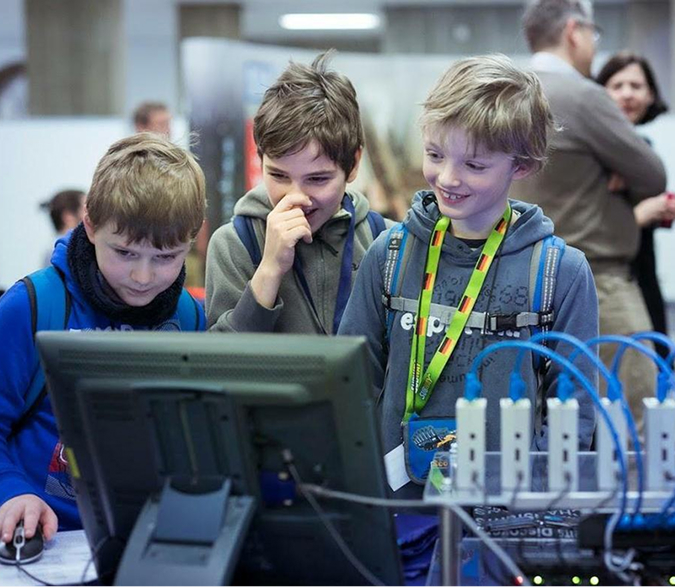
DFG Research Center Matheon
Matheon conducts application-oriented mathematical research for key technologies, for example in biotechnology, micro- and optoelectronics, and information and communication technologies. It is a joint initiative of Freie Universität Berlin, Humboldt-Universität zu Berlin and Technische Universität Berlin, together with the research institutes WIAS (Weierstrass Institute for Applied Analysis and Stochastics) and ZIB (Zuse Institute Berlin). Matheon has been funded by the Einstein Foundation Berlin since 2014.

German Centre for Mathematics Teacher Education (DZLM)
The center for continuing education for mathematics teachers works across federal states, with a practical and research-based approach. It is a project of the Leibniz Institute for Science and Mathematics Education (IPN).
Quantum technology
Synergies between research
and industry
The International Year of Quantum 2025 makes it particularly clear: Brain City Berlin is also very well positioned in the emerging field of quantum technology, with top-class research institutions. Working together with highly skilled companies, they develop innovative products and solutions.
 © iStock | John D
BERLIN QUANTUM
This initiative of Berlin businesses, research institutions and universities aims to advance excellent research and to promote the transfer of quantum technologies into a wide range of applications. BERLIN QUANTUM is open to everyone in Berlin who works with or develops quantum technologies or would like to become part of the ecosystem.
Aerospace
From Berlin into space
Science and research are drivers of innovation in Berlin’s strong aerospace industry. This applies in particular to small satellites, drone technology and “New Space”. With more than 80 start-ups, the New Space industry is booming in Brain City Berlin.
Numerous spin-offs emerge from Berlin’s universities, universities of applied sciences and non-university research institutions. Incidentally, TU Berlin is the university with the most satellites in orbit worldwide.
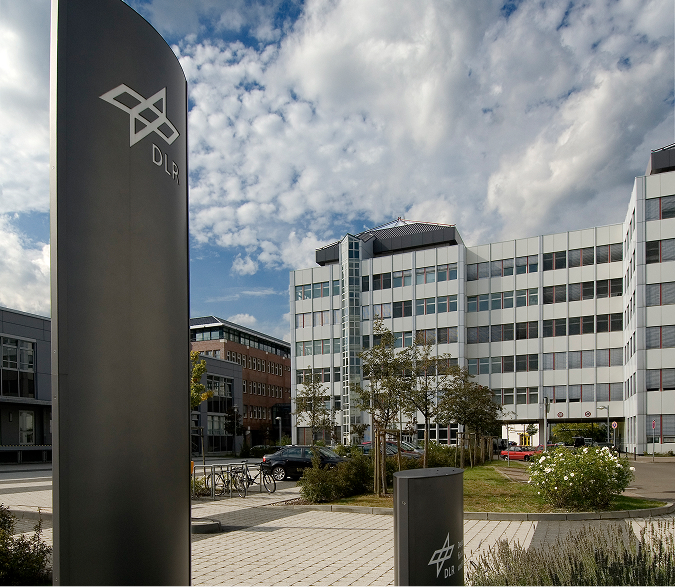 © Berlin Partner | FTB-Werbefotografie
German Aerospace Center (DLR)
The DLR institute in Berlin is a world-leading center of expertise for optical sensor systems and their use in planetary research, Earth observation and security.
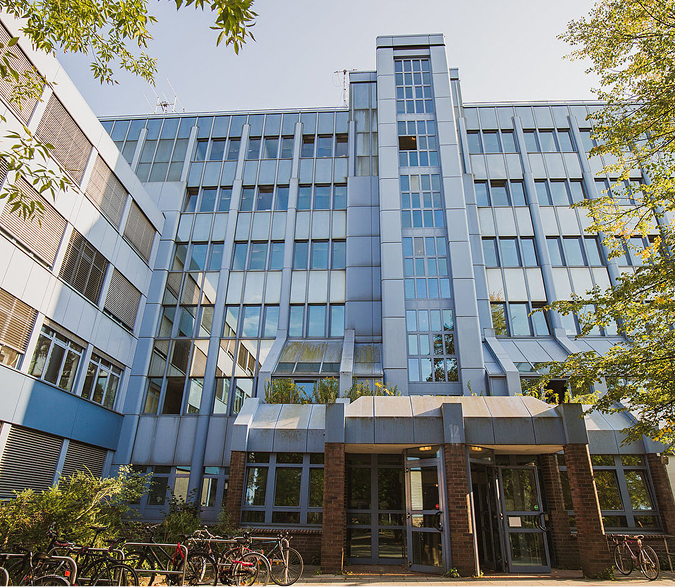
Institute of Aeronautics and Astronautics (ILR) at TU Berlin
Founded in 1995, the ILR focuses on solving socially and economically relevant problems in aeronautics and astronautics. It plays a leading role in satellite research and development.
Berlin-Brandenburg Aerospace Alliance (BBAA)
The aim of this aerospace network is to actively connect business, science and politics and to promote the further development of aerospace in Berlin and Brandenburg.